Over the last 20 years of serving Waukesha homeowners, I’ve seen my fair share of garbage disposal disasters. I’ve pulled out everything from chicken bones to rubber bands, and I’ve replaced countless disposals that failed prematurely because of simple mistakes that could have been avoided.
Your garbage disposal is one of the hardest-working appliances in your kitchen, but it’s not indestructible. Treating it right means years of reliable service. Abusing it means expensive repairs, frequent clogs, and eventually replacing a unit that should have lasted much longer.
Let me share what I’ve learned from nearly two decades of fixing disposal problems in Waukesha’s kitchens—so you can avoid becoming my next emergency call.
Understanding Your Garbage Disposal
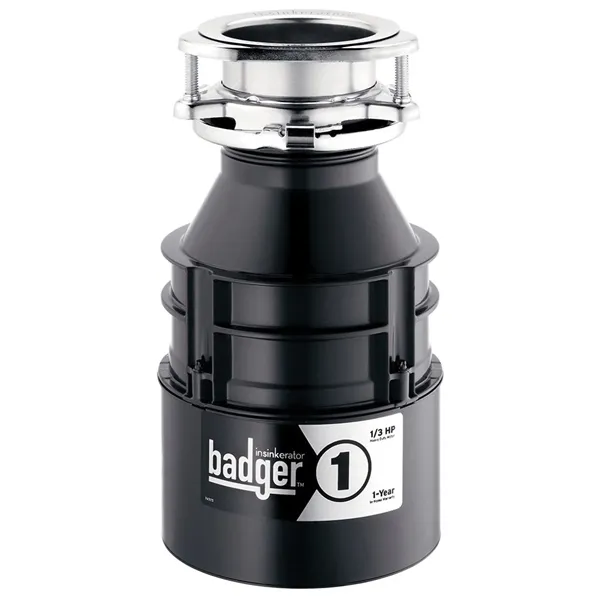
Before we dive into do’s and don’ts, let’s talk about what a garbage disposal actually is. It’s not a trash compactor. It doesn’t have blades that chop everything into tiny pieces. Instead, it has a spinning plate with impellers that grind food waste against a stationary grind ring.
This distinction matters because it explains why certain items jam disposals while others pass through easily. Understanding how your disposal works helps you use it properly.
The Do's: Best Practices for Garbage Disposal Use
Do Run Cold Water, Always
This is the single most important habit for disposal longevity. Run cold water before you turn on the disposal, during operation, and for 10-15 seconds after you’ve finished grinding.
Why cold water? It keeps fats and oils solid as they pass through your disposal and drain pipes. Hot water melts these substances, allowing them to coat your pipes where they eventually solidify and create clogs further down the line.
I can’t count how many drain clogs I’ve cleared that started because homeowners used hot water with their disposal. It’s one of those small details that makes a huge difference.
Do Feed Food Gradually
Your disposal can handle a lot, but it needs time to process what you’re feeding it. Don’t dump an entire plate of leftovers down at once. Feed waste gradually, in small portions, giving the disposal time to grind each batch completely.
Think of it like eating—you don’t shove an entire meal in your mouth at once. Your disposal works the same way.
Do Use the Disposal Regularly
Garbage disposals need regular use to prevent rust and corrosion. Running it frequently—even when you don’t have food waste—keeps parts moving and prevents buildup.
If you’re going on vacation or leaving your Waukesha home for an extended period, run the disposal before you leave and again when you return.
Do Grind Ice Cubes Periodically
Here’s a great maintenance tip: grind ice cubes in your disposal monthly. The ice helps scour the grind ring and chamber, knocking off accumulated waste and keeping things clean. It’s like a mini cleaning session for your disposal.
Some people add rock salt to the ice for extra scrubbing power. Both methods work well.
Do Use Citrus Peels for Freshness
After grinding ice, toss in some citrus peels—lemon, lime, or orange. They freshen up the disposal and help combat odors naturally. This is especially useful in Wisconsin’s humid summers when kitchen drains can develop smells.
Just remember: citrus peels are for freshening, not for regular disposal use. A few peels occasionally are fine, but don’t use your disposal as a citrus processing plant.
Do Keep Your Disposal Clean
Beyond ice and citrus, occasionally clean your disposal with dish soap and cold water. Let it run for a minute to flush everything through thoroughly.
For stubborn odors, try grinding a mixture of ice and vinegar. Avoid harsh chemical cleaners—they can damage rubber gaskets and seals over time.
Do Know Where Your Reset Button Is
Every disposal has a reset button, usually on the bottom of the unit. If your disposal stops working, overheats, or jams, this button often trips. Turn off the disposal, press the reset button, and wait a few minutes before trying again.
Knowing this simple fix can save you an unnecessary service call for minor issues.
The Don'ts: What Never Goes Down Your Garbage Disposal
Don’t Put Grease, Fats, or Oils Down the Drain
This is the number one rule, and it’s the one most often broken. Grease, fats, and cooking oils congeal as they cool, coating your pipes and creating blockages. Even with cold water running, these substances accumulate over time.
I’ve snaked out drains clogged with solidified grease buildup so thick you could almost carve it. It’s disgusting, it’s expensive to fix, and it’s completely preventable.
Pour grease into a container, let it solidify, and throw it in the trash. Your drains will thank you.
Don’t Grind Fibrous or Stringy Foods
Celery, asparagus, corn husks, artichokes, onion skins—anything fibrous or stringy is garbage disposal enemy number one. These items wrap around the disposal’s impellers like string around a spindle, jamming the mechanism and potentially burning out the motor.
I’ve disassembled countless disposals to unwrap stringy vegetables from the grinding assembly. Save yourself the hassle and put these items in your trash or compost bin.
Don’t Put Expandable Foods Down the Disposal
Rice, pasta, bread, and oatmeal expand when wet. What seems like a small amount can swell and create a glutinous mass that clogs your drain pipes.
These items also stick to the disposal walls and the inside of pipes, gradually accumulating until you have a serious blockage. Scrape them into the trash instead.
Don’t Grind Coffee Grounds
This one surprises people, but coffee grounds are terrible for disposals and drains. They don’t break down, they clump together when wet, and they settle in pipes creating sediment buildup that eventually causes clogs.
In Waukesha homes with older plumbing, and many of us have homes built in the 60s, 70s, and 80s, coffee grounds are especially problematic because they combine with existing buildup in aging pipes.
Use coffee grounds in your garden as compost. They’re excellent for plants and terrible for plumbing.
Don’t Put Eggshells Down the Disposal
There’s an old myth that eggshells sharpen disposal blades. Two problems with this: disposals don’t have blades, and eggshells don’t help anything. The membrane inside eggshells can wrap around the grinding mechanism, and the shells themselves create granular waste that settles in pipes.
Skip the eggshells. They belong in trash or compost, not your disposal.
Don’t Grind Bones
Chicken bones, steak bones, fish bones—none of them belong in your disposal. Even small bones are too hard for most residential disposals to handle effectively. They’ll rattle around, potentially damaging the grinding mechanism, and likely won’t grind completely, creating chunks that can clog your pipes.
The same goes for fruit pits and shellfish shells. Too hard, too risky.
Don’t Put Non-Food Items Down the Disposal
This should be obvious, but I’ve pulled out cigarette butts, rubber bands, twist ties, paper, plastic, glass, and even small toys from disposals over the years. Your disposal is designed exclusively for food waste—nothing else.
Pay attention to what’s going down your drain. It’s easy to accidentally knock non-food items into the disposal, especially when clearing dishes quickly.
Don’t Use Your Disposal as a Trash Can
Even though it’s called a “garbage” disposal, it’s not meant to handle all your kitchen garbage. It’s designed for small food scraps that rinse off plates and cutting boards, not for disposing of meal prep waste or entire meals.
Scrape large amounts into the trash first, then use the disposal for small remnants. This approach extends your disposal’s life and prevents clogs.
Don’t Run Your Disposal Dry
Never run your disposal without water. The grinding action creates heat and friction, and water is essential for flushing waste through and cooling the motor. Running it dry can damage the motor and create jams.
Always start with water running before you turn on the disposal.
Don’t Use Chemical Drain Cleaners
When your disposal gets clogged, chemical drain cleaners seem like an easy fix. They’re not. These harsh chemicals can damage rubber gaskets, corrode pipes (especially older pipes), and create toxic fumes in your kitchen.
If your disposal is clogged, turn it off and call a professional. We have the tools to clear clogs properly without damaging your plumbing system.
Signs Your Garbage Disposal Needs Replacement
Even with perfect care, garbage disposals don’t last forever. Average lifespan is 10-15 years. Watch for these signs that replacement is needed:
- Frequent jamming or reset button trips
- Persistent leaking
- Loud grinding or rattling noises
- Reduced grinding performance
- The disposal is simply old and you’re planning kitchen updates
When it’s time to replace, invest in quality. I’ve seen too many homeowners buy the cheapest disposal available, only to replace it again in a few years. A quality disposal, properly installed, lasts longer and performs better. That’s the value approach I’ve built my business on—spending a bit more for quality now to save money down the road.
The Bottom Line
Your garbage disposal is a convenient kitchen tool, but it requires respect and proper use. Following these do’s and don’ts means fewer clogs, fewer repairs, and a disposal that serves you reliably for its entire lifespan.
I’ve been serving Waukesha families since 2006, and 95% of my business comes from referrals and repeat customers. That happens because I give honest advice—not just when you need repairs, but about how to avoid them in the first place.
If you’re experiencing disposal problems, have questions about what yours can handle, or need professional installation or replacement, contact Waukesha Plumbing. I’ll give you straight answers and quality workmanship that lasts.

I started Waukesha Plumbing in 2006 because I saw too many plumbers cutting corners and treating customers like one-time transactions. My approach has always been different. I believe in doing quality work that is built to last, along with the customer service that you deserve.
When you’re ready to experience the Waukesha Plumbing difference, I invite you to contact me so I can help you make your next plumbing project a success!
Dave Treutelaar,
Master Plumber, Waukesha Plumbing LLC
Schedule a service call